What Is a Venue Booking System? (And Why Yours Might Be Holding You Back)

If you're managing meeting rooms, event spaces, or any bookable venue using a mix of emails, spreadsheets, and phone calls, you already know the problem. Bookings get lost. Double-bookings happen. Customers wait too long for a response. Staff spend hours on tasks that should take minutes. The solution is a venue booking system. But what exactly does that mean — and what should it actually include? This guide breaks it down from first principles, so you can make a clear-headed decision about what your venue needs in 2026.
You got the call on Friday afternoon. A corporate PA wants your boardroom for Tuesday — 20 people, AV, lunch included. You scribble it on a sticky note, check a spreadsheet, fire an email to the kitchen, and hope for the best. Sound familiar? In 2026, it really shouldn't.
of meeting room capacity lost to ghost bookings in manual operations
average weekly staff time spent on manual booking admin
booking conversion rate when venues offer online self-serve booking
Source: Book a Space platform data, 2026
So, What Exactly Is a Venue Booking System?
A venue booking system is a software platform that automates and centralises the entire process of managing bookable spaces — from the moment a customer expresses interest, through to the day they use your space.
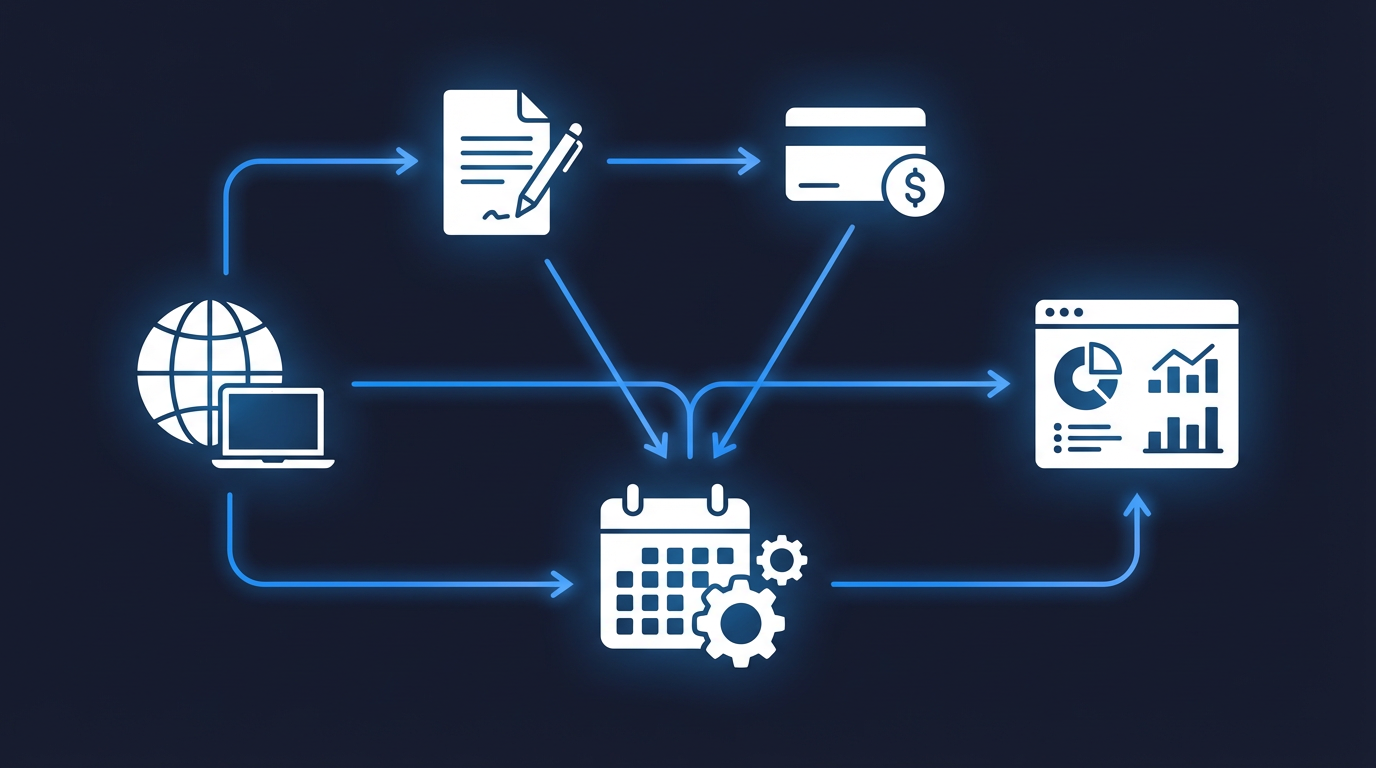
The key word is entire. A true venue booking system doesn't just let customers check availability online. It handles the whole journey:
What a Complete Venue Booking System Includes
A branded, embeddable widget on your website where customers check availability, select spaces, and book instantly
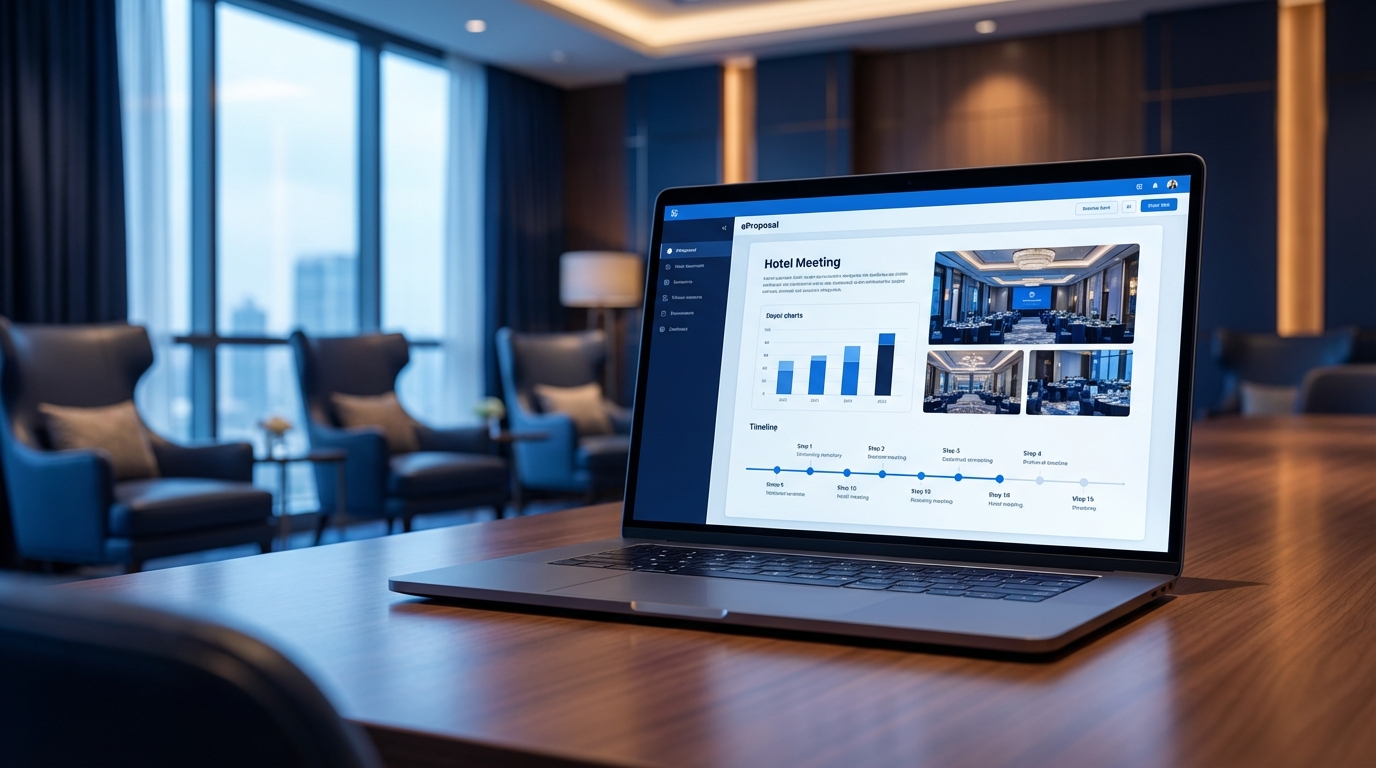
Generate and send professional eProposals in seconds for phone/email enquiries, with instant accept and built-in payment
Deposits, split payments, full payments, and invoicing all handled within the platform
Automatically adjust rates by day, time, demand, and seasonality to maximise yield
Utilisation rates, revenue trends, top-performing spaces, and occupancy data at a glance
Connects to your existing PMS, calendar apps (Google, Outlook), accounting software, and more via API
Unified customer profiles, booking history, segmentation, and personalised outreach
What Happens Without One?
Let's be specific, because the costs of manual booking management are real — they just tend to hide in plain sight.
1. Lost Bookings
Every enquiry that doesn't get a response within the hour risks going to a competitor. When your process depends on a human checking emails and calling back, you will miss bookings — especially outside business hours, during events, or when your team is stretched.
2. Double Bookings and Errors
Spreadsheets don't sync in real time. When two staff members are managing bookings simultaneously — or when a phone booking isn't entered immediately — double bookings happen. A double-booked meeting room doesn't just lose you a single booking. It loses you the client.
3. Missed Upsell Revenue
When you're managing bookings manually, there's no systematic way to prompt customers with add-ons: AV equipment, catering packages, room upgrades. A booking system does this automatically, at exactly the right moment in the booking journey.
4. Admin Burden
Confirmation emails. Reminder calls. Invoice creation. Chasing deposits. These tasks are necessary but they don't require human judgement — and yet they consume disproportionate amounts of your team's time every single week.
The question isn't whether you can afford venue booking software. It's whether you can afford to keep doing without it.
See Book a Space in action
A 20-minute demo shows exactly how to streamline your venue bookings and capture more revenue.
Book a DemoVenue Booking System vs. Booking Engine: What's the Difference?
| Capability | Booking Engine | Booking System |
|---|---|---|
| Customer-facing availability & booking widget | ✓ | ✓ |
| Back-end booking management | ✗ | ✓ |
| eProposals for phone/email enquiries | ✗ | ✓ |
| Payments, deposits & invoicing | ⓘ | ✓ |
| Dynamic pricing by day/time/demand | ✗ | ✓ |
| Reporting, analytics & CRM | ✗ | ✓ |
| PMS, calendar & accounting integrations | ✗ | ✓ |
Do I Need One If I Already Have a PMS?
Yes — and here's why. Most Property Management Systems (PMS) are architected for bedroom bookings. They track room inventory, manage check-in/check-out, and integrate with OTAs. That's what they're built for.
Meeting and event bookings are structurally different. They involve:
- Variable space configurations (theatre, classroom, boardroom, cabaret)
- F&B packages and AV add-ons bundled into the booking
- Custom proposals tailored to group size and requirements
- Multi-stage deposits and split payment arrangements
- Day-of requirements that need communicating to operations, kitchen, and AV teams
A venue booking system handles this complexity natively. It integrates with your PMS rather than replacing it — giving your bedroom and meeting room operations a shared source of truth via API connection.
What Makes Book a Space Different?
Book a Space is built specifically for hotels, event venues, and bookable spaces that generate revenue from meetings and events. Unlike workplace tools designed for internal desk booking (Skedda, Robin, Tactic), Book a Space is built around the revenue opportunity — the booking engine, eProposal, dynamic pricing, payments, and audience management are all designed to help venues earn more, not just manage more.
And the setup? Days, not months. The booking widget embeds on your website in minutes. The platform is live before the end of the week.
Trusted by leading hospitality brands
Brands that needed a platform built for the hospitality context — not just a scheduling tool.
Frequently Asked Questions
A booking engine is the front-end widget customers use to check availability and book online. A booking system is the complete platform — booking engine plus proposal management, payments, analytics, CRM, and integrations. Book a Space provides all of this in one unified platform.
Yes. Most PMS systems are designed for bedroom bookings and don't handle the complexity of MICE — proposals, F&B upsells, group rates, and multi-space availability. A dedicated venue booking system integrates with your PMS via API and handles everything your PMS cannot.
With Book a Space, setup typically takes days, not months. The booking widget embeds on your website in minutes, and full back-end configuration is typically completed within a week with support from our onboarding team.
Absolutely — and often most of all. Small venues spend a disproportionate amount of limited staff time on manual admin. Booking software automates confirmations, reminders, and invoicing, so a small team can manage significantly more bookings without adding headcount.
Yes. ROI comes from multiple directions: staff time saved on admin, fewer double bookings and errors, higher upsell capture, and increased conversion through self-serve online booking. Most venues see the platform pay for itself within weeks of going live.
Ready to see it in action?
Book a personalised demo and we'll show you exactly how Book a Space works for your type of venue — in 30 minutes or less.
Request a Demo